
2025年6月在法國尼斯由法國與哥斯大黎加共同主辦第三屆聯合國海洋大會(Third United Nations Ocean Conference , UNOC3),在該次會議上,旅遊業成為塑造永續且具韌性海洋經濟的重要角色。隨著海洋面臨氣候變遷、污染及生物多樣性喪失的空前壓力,旅遊業各領域的利益相關者齊聚一堂,啟動新的合作關係、調整融資機制,並擴大各項倡議與行動規模,以促進海洋生態系統的復原並支持沿海社區經濟發展。
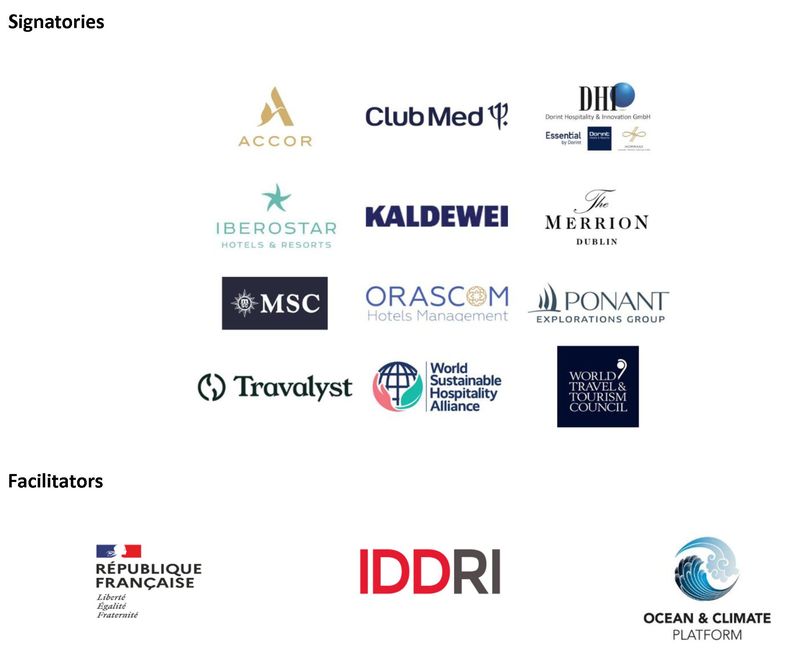
在第三屆聯合國海洋大會的一項場邊會議——「摩納哥藍色經濟與金融論壇」(Monaco Blue Economy and Finance Forum),來自旅遊業各領域的領袖齊聚一堂。會中由法國政府、智庫「永續發展與國際關係研究所」(Institut du développement durable et des relations internationales, IDDRI)、國際組織「海洋與氣候平台」(OCEAN & CLIMATE PLATFORM)共同發起,包括三大旅遊產業聯盟——世界永續旅宿聯盟(World Sustainable Hospitality Alliance, WSHA)、世界旅遊觀光協會(World Travel and Tourism Council, WTTC)、永續旅行倡議組織Travalys,以及從訂房平台到海運與旅宿等首批響應的業界,包括雅高酒店集團 Accor、地中海俱樂部 Club Med、DHI Dorint Hospitality & Innovation GmbH、Iberostar Hotels and Resorts、Kaldewei、MCS、Merrion、ORASCOM 酒店管理公司、Ponant等,共同代表全球旅遊產業,簽署了《海洋旅遊盟約》(Ocean Tourism Pact),並得到聯合國世界旅遊組織和環境規劃署「一個星球永續旅遊計畫」(One Planet Sustainable Tourism Program)的大力支持。這是一項國際集體的承諾和工作方法,期發展環境永續的海岸和海洋旅遊(亦稱「藍色旅遊」)。
以下是該盟約內容,請參考:
海洋旅遊盟約 (Ocean Tourism Pact)
旅遊業已成為全球社會的基石,為數百萬人提供了探索新視野、新景觀和新文化的機會。它在促進社會交流、保存自然與文化遺產,以及推動經濟發展方面發揮著關鍵作用。整體旅遊業佔全球GDP的10%以上,並支持著全球十分之一的工作崗位 ,這突顯了它在國家經濟和地方發展戰略上的關鍵作用。在此背景下,全球將近有一半的熱門旅遊目的地是海洋和沿海地區。僅「藍色旅遊」領域每年就產生約1.5 兆美元的收入,並直接支持全球5,200 萬個工作崗位。沿海和海上旅遊目的地每年吸引數億遊客,對當地經濟和民生作出重大貢獻。
隨著旅遊業的蓬勃發展,讓這些目的地如此有吸引力的生態系統卻受到威脅。海洋和沿海地區擁有地球上一些最多樣化和最基本的生態系統,這些生態系統現在正日益脆弱。不永續的做法、氣候變化、污染和破壞棲息地正在加速生物多樣性喪失,並為旅遊業帶來重大風險。沒有健康的海洋,就不可能有蓬勃發展的旅遊經濟。超過八成的旅遊商品與服務,不論直接或間接,都依賴於健康的自然生態系統。
全球迫切需要採取協調一致的行動,不僅要遏制生物多樣性喪失,還要扭轉這種趨勢,並保護和復原海洋及沿海生態系統,將其作為長期環境永續性以及經濟和生態韌性的基礎。
因此,我們,旅遊企業和聯盟的代表,呼籲採取以下行動:
加速制定和實施推動旅遊業實現淨零和永續轉型的承諾。
這包括企業個別的承諾和目標,以及多邊承諾,例如2021年的《全球旅遊業塑膠倡議》與《氣候行動旅遊業格拉斯哥宣言倡議》,以及2024年的《沿海旅遊突破》。旅遊業的徹底轉型勢在必行,這種轉型必須減少該行業的環境足跡,優先考慮基於科學、對自然有益和具備氣候韌性的戰略,並推進更具包容性和可復原的模式。健康的生態系統、生物多樣性和碳匯是全球旅遊業永續轉型可行性的基礎。如果沒有這些,該行業將面臨日益增加的系統性風險。
建構公私夥伴關係,以加強永續旅遊業的基礎。
旅遊業的長期永續性無法單獨實現。我們呼籲各國政府、公共機構、開發銀行與私營部門領導者合作,並使經濟發展與環境管理配合一致。這些夥伴關係應該支持氣候調適和減緩,並推動具體成果,包括對再生能源、永續性基礎設施和擴大基於自然的解決方案的目的性投資。
匯聚政府、旅遊目的地、相關行業和公民組織,成立海岸與海洋旅遊工作群。
該工作群將是個協作平台,促進共享學習和創新,協調包容性政策,開發工具、指南和標準以促進有韌性的沿海旅遊,並管控進展。透過共同努力,我們可以加速轉向低碳、具備韌性和可復原的旅遊模式——這種模式能夠保護自然資本、維持目的地的長期吸引力,並帶來持久的經濟和社會效益。
英文版下載:
https://drive.google.com/drive/folders/1nYFzfD4tdIi7CenJnDxLSq0svVTF6HKS
Ocean Tourism Pact
Tourism has become a cornerstone of our global society, offering millions of people the opportunity to explore new horizons, landscapes, and cultures. It has evolved into a key driver of social exchange, the preservation of natural and cultural heritage, and economic development. Globally, tourism represents over 10% of global GDP and one in ten jobs worldwide, underlining its critical role in both national economies and local development strategies. Within this context, marine and coastal areas have emerged as some of the most desirable tourism destinations, now accounting for nearly half of global tourism. The “Blue tourism” sector alone generates an estimated $1.5 trillion annually and directly supports 52 million jobs worldwide. Coastal and maritime destinations attract hundreds of millions of visitors each year, contributing significantly to the economic growth and livelihoods of communities across the globe.
As tourism flourishes, the very ecosystems that make these destinations so attractive are under threat. Marine and coastal areas are home to some of the planet’s most diverse and essential ecosystems, which are now increasingly vulnerable. Unsustainable practices, climate change, pollution, and habitat destruction are accelerating biodiversity loss and creating major risks for the tourism sector.
Without a healthy ocean, there can be no thriving tourism economy. Over 80% of travel and tourism goods and services directly or indirectly rely on nature’s resources and functioning ecosystems. Urgent and coordinated action is required, not only to halt biodiversity loss but to reverse it, and to protect and regenerate marine and coastal ecosystems as a foundation for long-term environmental sustainability and economic and ecological resilience.
We, representatives of tourism businesses and coalitions, therefore call for the following actions:
1. Accelerate the setting and implementation of commitments aimed at driving the net zero and sustainable transition of the tourism sector. This includes individual business commitments and targets, as well as multilateral commitments such as the Global Tourism Plastics Initiative (2021), the Glasgow Declaration Initiative on Climate Action in Tourism (2021) and the Coastal Tourism Breakthroughs (2024). A profound transformation of the tourism sector is imperative, one that reduces the sector’s environmental footprint, prioritises science-based, nature-positive and climate-resilient strategies, and advances a more inclusive and regenerative model. Healthy ecosystems, biodiversity, and carbon sinks are fundamental to the viability of global tourism. In their absence, the industry faces mounting systemic risks.
2. Mobilize public-private partnerships to strengthen the foundation for sustainable tourism. The long-term sustainability of tourism cannot be achieved in isolation. We call on governments, public institutions, development banks to work with private sector leaders and align economic development with environmental stewardship. These partnerships should support both climate adaption and mitigation, and drive concrete outcomes, including targeted investments in renewable energy, sustainable infrastructure and scaling of nature-based solutions.
3. Establish a Coastal and Maritime Tourism Working Group, bringing together governments, destinations, industry and civil society. This working group will serve as a collaborative platform to foster shared learning and innovation, coordinate inclusive policies, develop tools, guidelines and standards that promote resilient coastal tourism, and monitor progress. By working together, we can accelerate the transition to a low carbon, resilient and regenerative tourism model – one that safeguards natural capital, maintains the long-term appeal of destinations, and delivers lasting economic and social benefits.
延伸閱讀:
《氣候與海洋:量化沿海及海洋旅遊經濟效益與排放溫室氣體影響並保護旅遊地》摘譯
線上旅行社 Trip.com《2024 年永續旅遊消費者報告》摘譯
NASA海洋洋流解析影片可看黑潮流動方式(可對照中文翻譯,可當海洋環境教育素材)
人與生物圈雜誌刊登邵廣昭老師文章《用保護區挽救海洋生物多樣性》
世界經濟論壇白皮書《永續旅遊目的地經營管理十大原則》摘譯(中英對照)